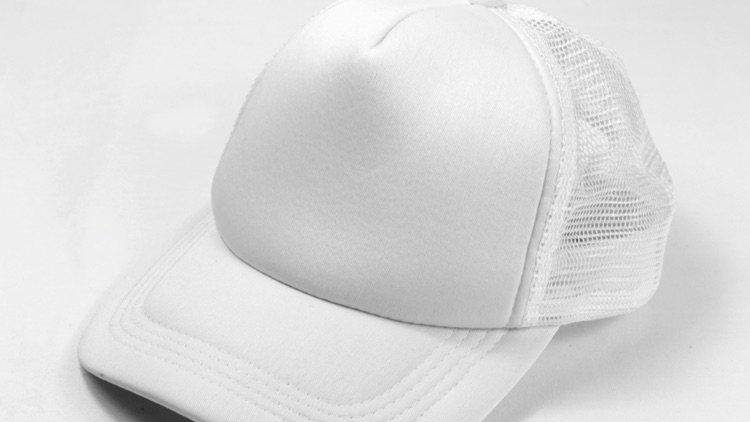
Custom performance caps fail when brands treat them like standard promo caps made with athletic fabric.
For golf, running, training, outdoor, and lifestyle sports brands, a cap has to feel comfortable during movement, manage sweat, hold its shape, display the logo cleanly, and stay consistent across repeat orders. If any of those details fail, the product may look acceptable in photos but disappoint customers in real use.
Use the checks below before developing custom performance caps with an OEM manufacturing partner.
Performance Caps Are Not Just Standard Caps With Sporty Fabric
Standard promotional caps are often designed around price and appearance. Performance caps are different. They need to handle heat, sweat, movement, storage, washing, and repeated wear.
That changes the manufacturing conversation. Fabric, crown structure, brim shape, sweatband, stitching, and decoration method all affect the final product. A sample that looks clean on a table can still fail if the cap feels hot, loses shape, or causes discomfort during activity.
For brand teams, the goal is to define the real use case before discussing price.
What Is a Performance Cap?
A performance cap is a hat designed for active use. It usually focuses on breathable fabric, sweat management, lightweight comfort, stable fit, and durable branding. For sports brands, the cap has to carry the logo and still work during movement, heat, and repeated wear.
Start With the Use Case
A golf cap, trail running cap, tennis cap, and gym cap may all fall under performance headwear, but they do not need the same construction.
Golf caps often need a clean premium look, stable brim shape, comfortable sweatband, and logo placement that works for retail presentation. Running caps may need lower weight, stronger breathability, and better moisture control. Outdoor caps may need sun coverage, packability, and durable materials.
Before sampling, define:
- Target sport or activity
- Indoor or outdoor use
- Expected climate
- Retail price level
- Preferred crown profile
- Logo placement
- Fit system
- Target customer expectations
These details help the manufacturer recommend the right fabric, pattern, and decoration method.
Choose Fabric for Comfort and Stability
Fabric choice affects how the cap feels and performs.
Lightweight polyester can work well for active caps because it dries quickly and can feel comfortable during warm conditions. Stretch materials can improve fit but need careful pattern control. Mesh or perforated panels can improve airflow, but they change the look and structure of the cap.
The mistake is choosing fabric only by appearance. A fabric that looks premium on a sample table may feel too hot on the course or too soft to hold the crown shape.
Ask your supplier how the fabric behaves after cutting, stitching, logo application, and repeated wear.
Do Not Ignore Sweatband and Fit
The sweatband is one of the most important parts of a performance cap, yet it is often treated as a minor trim.
A poor sweatband can feel rough, trap moisture, or lose shape. A better sweatband supports comfort and helps the cap feel stable during movement. Fit also depends on crown depth, panel shape, closure type, stretch, and sizing control.
For performance caps, sample review should include wear testing alongside visual approval.
Match Logo Technique to Performance Use
Logo decoration needs to match the cap’s use case.
Embroidery can look premium and durable, but it may feel heavy or stiff on lightweight fabrics. Heat transfer can create a cleaner technical look, but it needs the right fabric and application control. Patches can add brand character, but they may not suit every performance product.
Before choosing a logo method, consider:
- Fabric type
- Logo size
- Logo position
- Desired retail look
- Durability expectations
- Whether the cap will be washed or exposed to sweat often
The best logo method is not always the most expensive one. It is the one that fits the product.
What Affects Custom Performance Cap Cost?
Custom performance cap cost depends on more than quantity.
The final price can be affected by fabric choice, panel construction, sweatband type, closure, logo method, sample rounds, packaging, color count, and inspection requirements. A lightweight technical cap with heat-transfer branding and special perforation will not price the same as a basic cotton promotional cap.
Before asking for a price, prepare the product requirements clearly. That helps the supplier quote the real cap you want, not the cheapest version of the idea.
Check Sampling Before Bulk Production
Sampling is where many performance cap issues should be caught.
During sample review, check fit, comfort, crown shape, brim curve, stitching, logo placement, sweatband feel, color matching, and packaging. If possible, test the cap in the actual use scenario instead of reviewing it only under office lighting.
Brands should also confirm whether the supplier can repeat the approved sample in bulk production. An approved sample has limited value if the next batch changes shape, color, or fit.
Quality Checks That Matter for Performance Caps
Quality control for performance caps should include more than visual inspection.
Useful checks include fabric consistency, panel symmetry, brim alignment, stitch quality, sweatband placement, logo position, color consistency, closure function, packing shape, and comparison against the approved sample.
For repeat orders, consistency is the main issue. Customers expect the cap they buy today to match the one they liked before.
What to Send Your Cap Manufacturer
Before contacting a manufacturer, prepare a clear brief:
- Target sport or use case
- Reference styles
- Fabric preference
- Logo file and decoration preference
- Quantity
- Color requirements
- Fit and closure preference
- Target price level
- Packaging needs
- Sample deadline
If you are still defining the product, say that clearly. A performance headwear supplier can often help narrow the options once the use case is clear.
Brands comparing OEM options can review JoinTop Performance Caps as a starting point for discussing fabric, construction, logo technique, and bulk production expectations.
FAQ
What makes a cap a performance cap?
A performance cap is designed for active use. It usually focuses on comfort, breathability, sweat management, fit stability, lightweight construction, and durable branding. The details depend on the sport and target customer.
How much do custom performance caps cost?
Custom performance cap cost depends on quantity, fabric, construction, logo method, packaging, sampling, and inspection requirements. A supplier needs those details before giving a meaningful quote.
What fabric is best for performance caps?
There is no single best fabric. Lightweight polyester, stretch fabrics, mesh, and perforated materials can all work depending on the sport, climate, fit, and retail positioning. The right choice depends on how the cap will be used.
Is embroidery good for performance caps?
Embroidery can work well, especially for premium sports and golf caps. For very lightweight technical caps, heat transfer or other decoration methods may be better if the brand wants a cleaner, lighter feel.
Why is sampling important for custom performance caps?
Sampling helps brands check fit, comfort, logo placement, crown shape, brim structure, color, and construction before bulk production. It is the best stage to correct issues before they become expensive.
Conclusion
Performance caps need more planning than standard promotional caps. Fabric, fit, sweatband, structure, logo technique, and quality control all affect how the product feels in real use.
Before developing custom performance caps, define the use case clearly and review the sample like a customer would wear it. That approach gives sports brands a better chance of building headwear that looks good, performs well, and stays consistent across production.